Prisons of Flesh and Celluloid: Tenebris Somnia Review
All images are from Tenebris Somnia, all images are by me
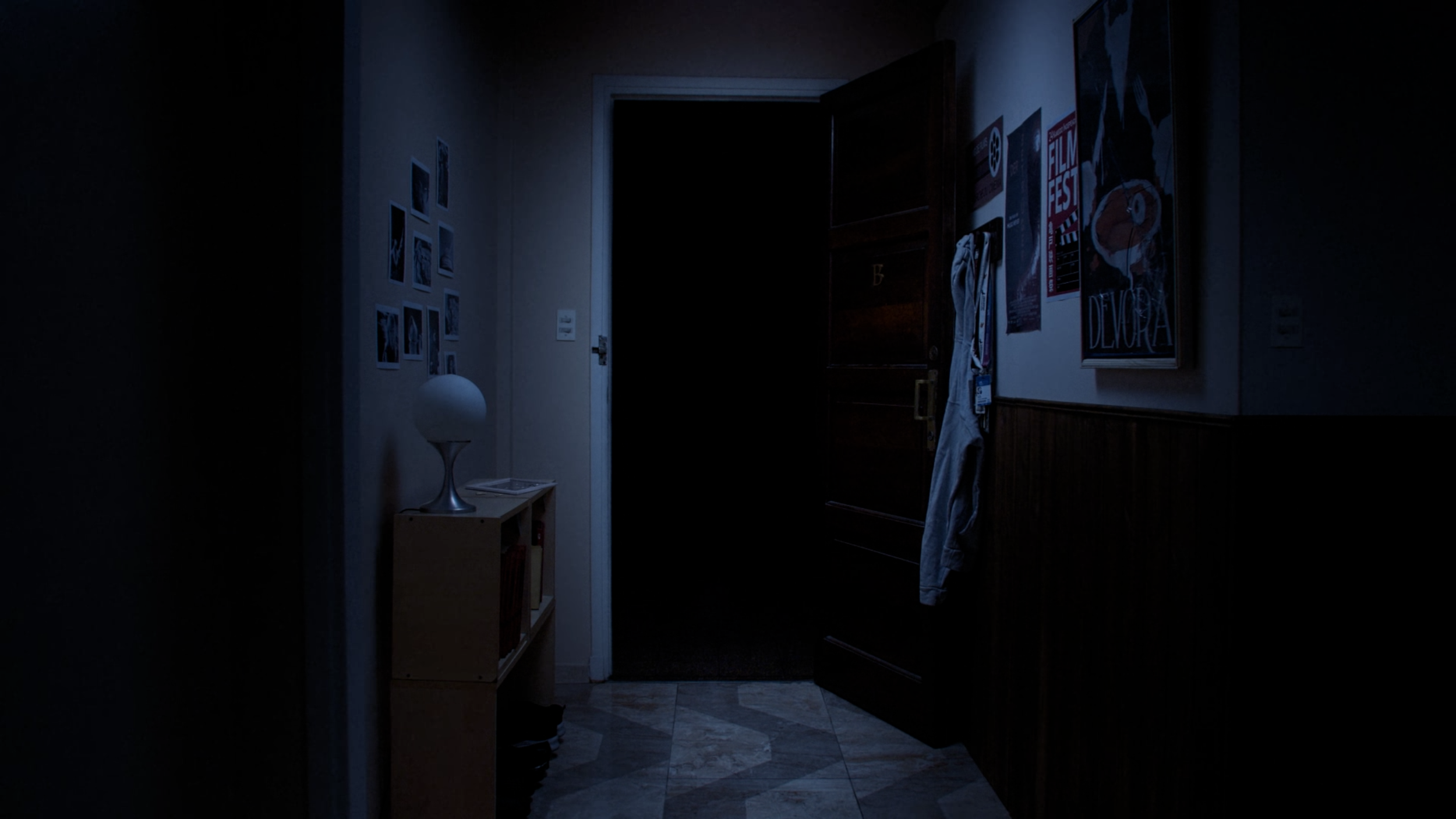
Tenebris Somnia is a collaboration between New Blood Interactive (publisher of Dusk and Ultrakill), Airdorf Games (developer of Faith: The Unholy Trinity), Saibot Studios, and Argentinian multimedia artist Andrés Borghi. Andrés served as the visual effects artist for When Evil Lurks, a particularly nasty film from 2023 that I both highly recommend – and can’t recommend to most people in good conscience. I’ve been ready to devour this project since it was announced. I can’t think of a group of people better suited to crafting a bloodsoaked horror movie wrapped in an NES game.
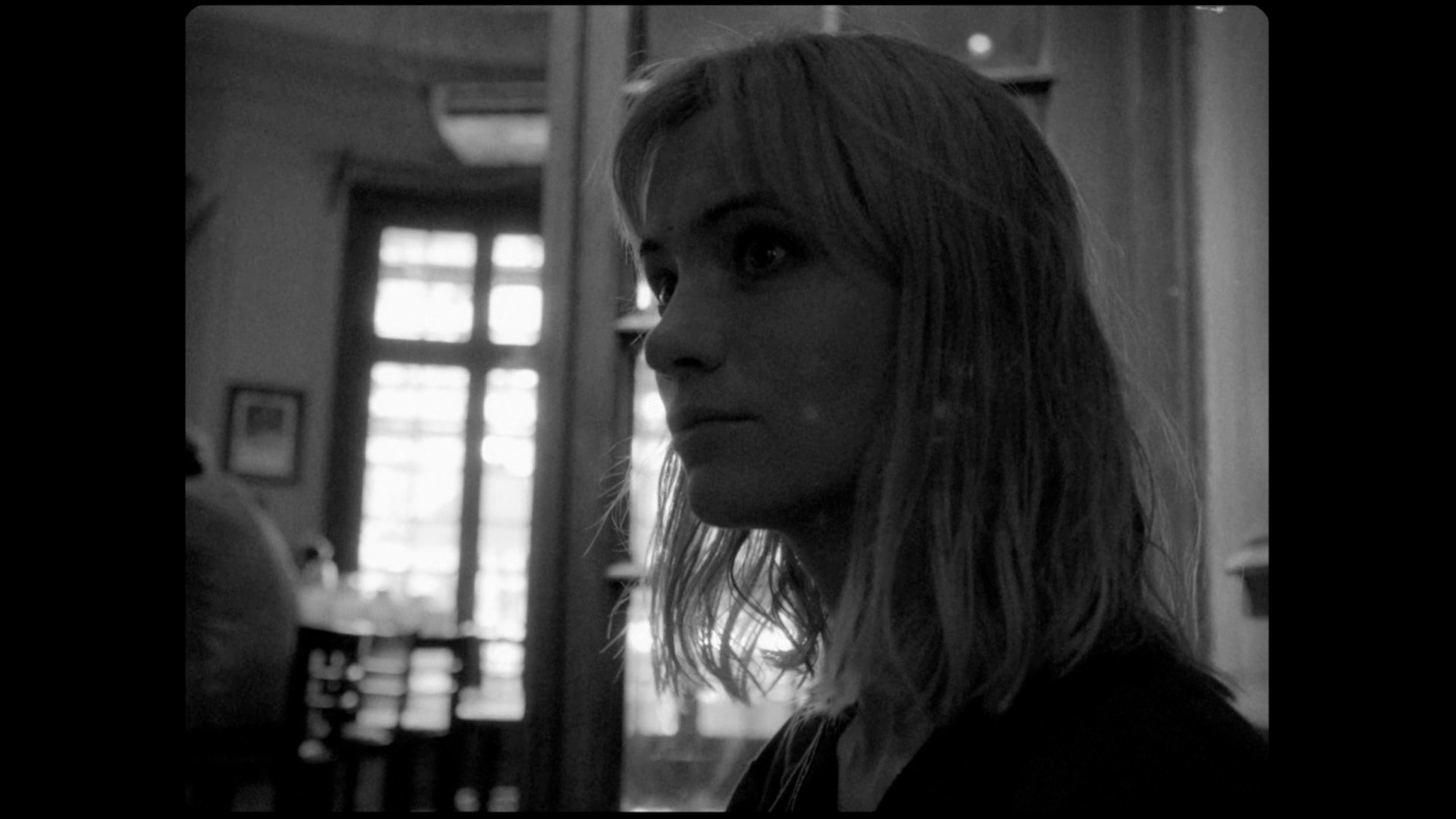
Most of the marketing leading up to release has focused almost exclusively on this unlikely marriage of live-action cutscenes with retro gameplay – and for good reason! The practical effects are incredible and incredibly disgusting. At the very least, everyone involved deserves praise for seeing such a crazy idea through. I think the experiment is largely successful even if these sequences are jarring every time one plays. There is no more addictive quality than wondering what’s going to happen next and Somnia drops something you haven’t seen before every 20 minutes.
Purely from the video game side of things, I feel almost all the other topics of conversation have gotten lost along the way. For the last couple years we’ve been asking how would this work or what would it look like when we could have been asking what if the LucasArts point-and-click adventures from the 90s played more like Resident Evil?
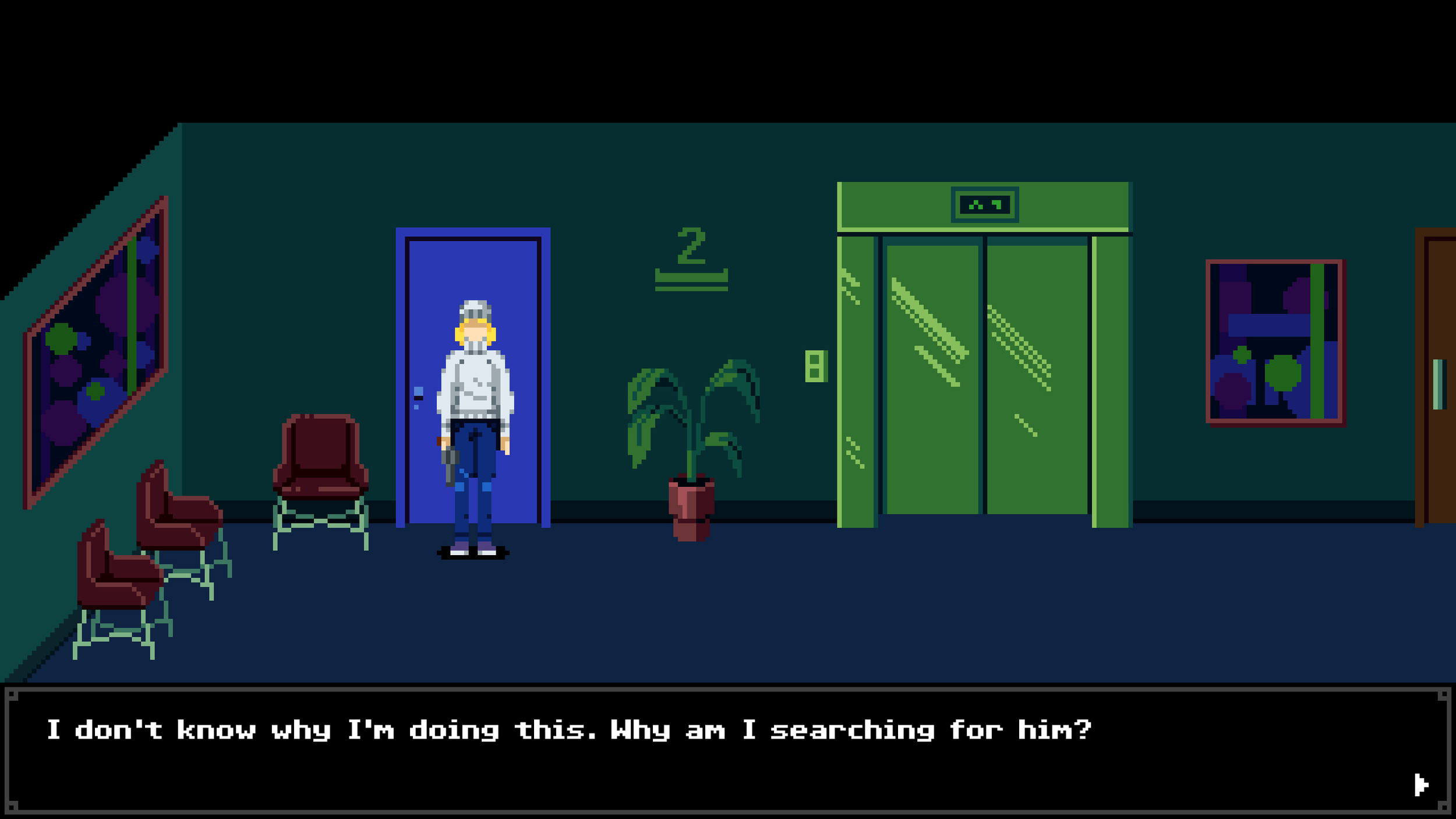
Like many great horror movies, Tenebris Somnia has a simple setup that quickly spirals into insanity. We play as Julia, a woman plagued with recurring nightmares of her ex-boyfriend being ripped apart by demons. Eventually, these visions become too real to ignore and she decides to check up on him at their old apartment. After arriving, reality and the memories of their relationship fuse together and she has to perform a series of dark rituals in order to save their souls and escape.
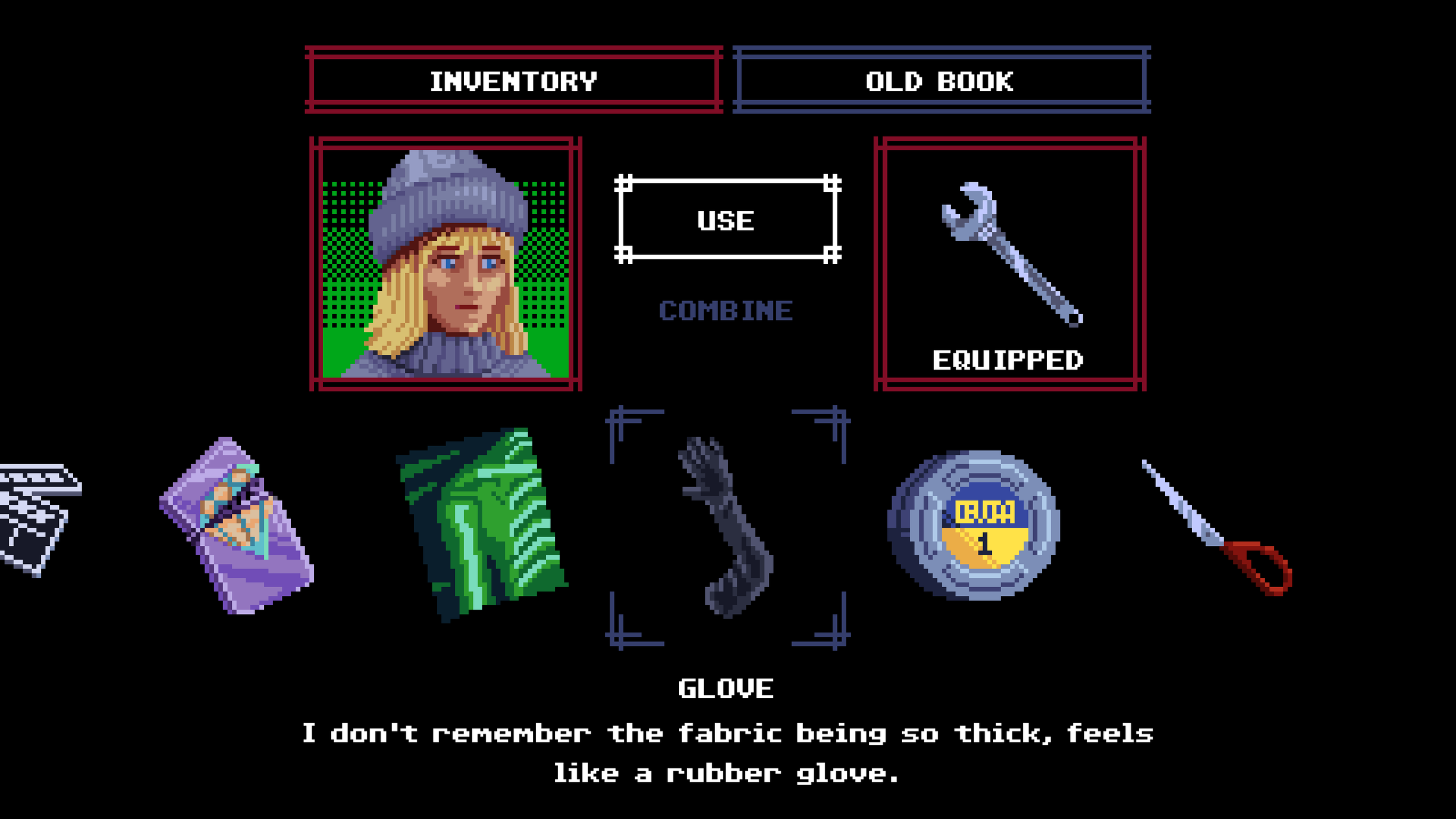
How do you perform these dark rituals? By examining everything, filling your inventory, and solving puzzles. So many puzzles. Everything from Resident Evil style “the heart key opens the heart door” to the borderline moon logic of its retro inspirations. Don’t let that statement scare you away. I only ended up truly stuck maybe twice in my playthrough and the designers consistently sprinkle clever and subtle hints to nudge you in the right direction. Theoretically, if you need to stick a croissant in the freezer and then use it as a doorknob, they would at the very least color code the croissant, door, and refrigerator. My personal favorite which I won’t spoil involves locking yourself out of one of the game’s most precious resources in order to progress.
That progression usually translates to a lot of backtracking. That comes with the territory, of course, they’re creating tension by making you tiptoe past enemies while you bleed all over your med kits, but even the Dark Souls opening a gate from the other side conveniences are in short supply here. No shortcuts for you. Get back on the elevator.
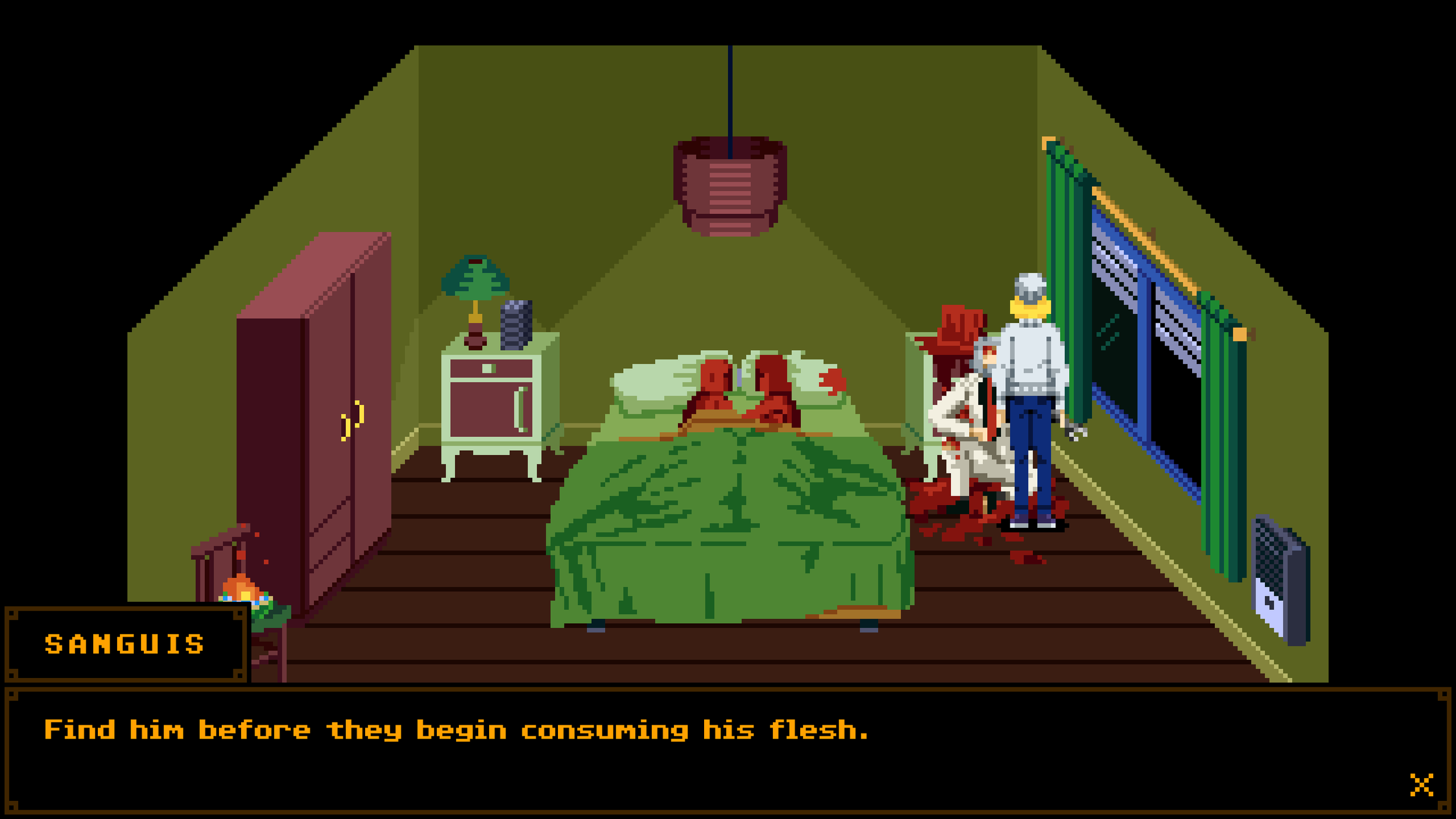
It helps that the world is mostly contained within the apartment building and you’re never more than three minutes away from double checking a description. It makes the obtuse puzzles that much more manageable knowing whatever you overlooked is only a room away. Surviving that trip back is another story.
In the early going, before I knew how precious my ammo was, I chose to run away as much as possible. My reward for this style of play was, you guessed it, more enemies accumulating around the houseplants and coffee tables. I can appreciate that adding more creatures to weave around is an easy way to slowly ramp up difficulty – my ears, however, did not appreciate their overlapping 8-bit screeches.
When it inevitably comes time to clear those hallways, you’ll be happy to know that the combat is more than serviceable. Melee weapons have a satisfying amount of weight whether you’re breaking glass or breaking bones and there’s a certain pleasure in timing your swings just right to stun lock demons as they dive in for an attack. You’ll also pick up a couple firearms along the way, and while their auto aim mostly works, I stopped risking questionable shots with how strict inventory management becomes. You’ll want to save all your shells for the bosses.
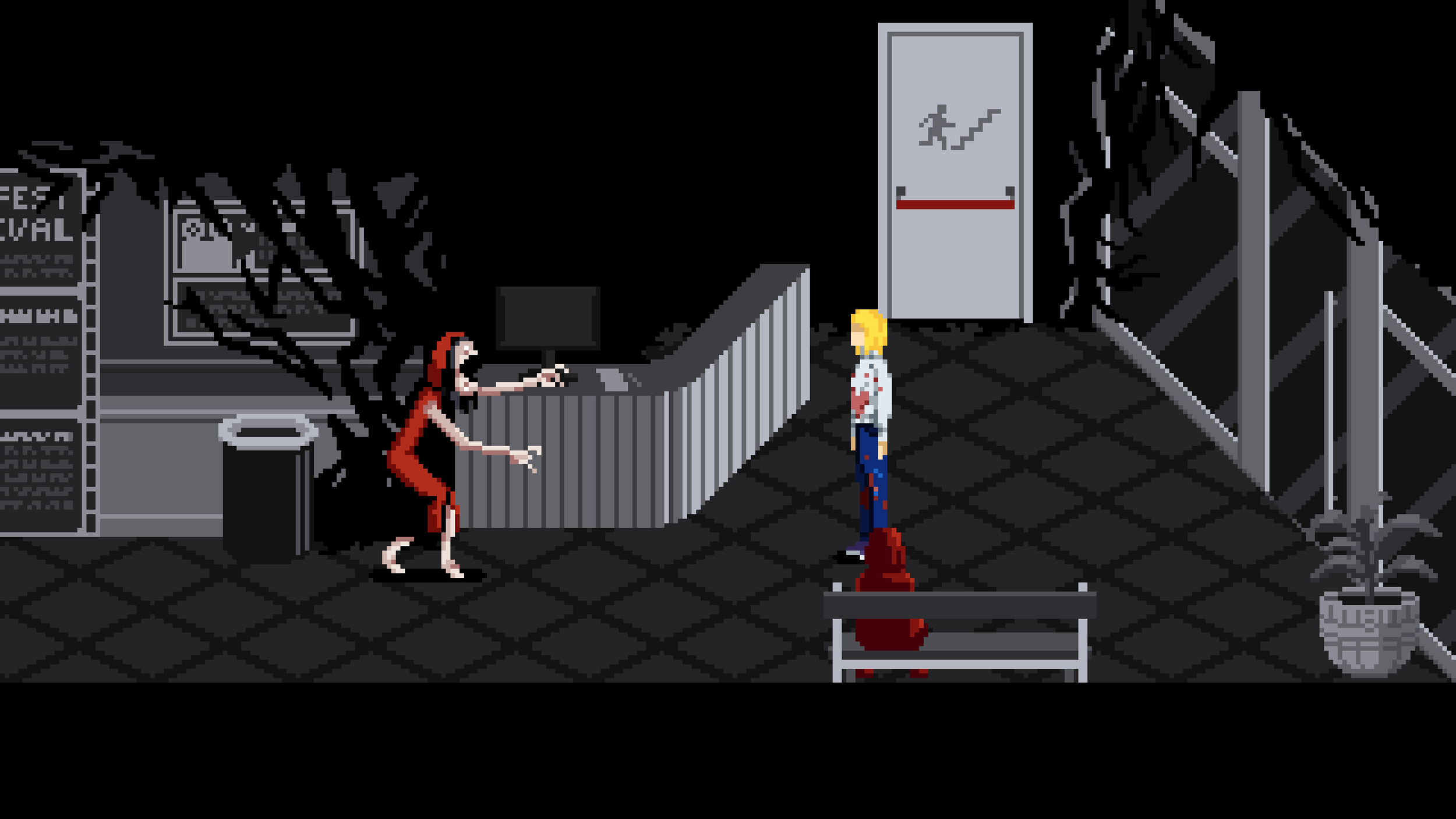
The handful of bosses both in their creature and gameplay design are some of the best I’ve ever seen in a survival horror game. There’s always at least one, usually flashy, element at play beyond dumping damage into an invisible life bar. Again, I won’t spoil any, but it wouldn’t surprise me if the devs asked themselves what would Hideo Kojima do while designing these encounters. However, as brilliant as they are, it is worth noting they can drag on, and with the aforementioned item management paired with auto saves between phases, it’s possible to end up stranded mid-fight. It punishes experimentation. I tend to play these games conservatively, and even with a stash of supplies, I still experienced the temptation to load up a past save every time my revolver sang the click click click of an empty cylinder.
My eight hour playthrough was bug and crash free (that’s Steam time, my in game clock came in at 5:31) and all the other jank was pretty mild. I occasionally got hung up on awkward level geometry; luckily, this never happened during any of the panic-inducing chase sequences. I unfortunately can’t say the same for the times an enemy was swinging on me even before a room finished loading in. This didn’t happen enough to force reloads, but if I’m going to be put in a position to take damage, I would prefer it actually be my fault.
I can’t stress enough that these annoyances are minute in the face of everything Somnia does well – flies meant to be brushed away and immediately forgotten. This is a special game in what has been a year of special games and should be experienced by both horror fanatics and anyone interested in developers taking wild swings in the indie space. Just remember to say a prayer, make every bullet count – and maybe come in with an empty stomach.
91/100
*This review was conducted using a Steam key provided by the developer through Keymailer.